Top 7 most fuel efficient motorcycles

Summary
- The main factors that affect consumption for ATVs and motorcycles
- Motorcycles that use the least fuel: 7 models to consider
- Which motorcycle to choose based on your type of use?
- How to reduce your motorcycle's consumption?
- The importance of maintenance to keep a fuel-efficient motorcycle
- Find a fuel-efficient motorcycle at SM Sport
- FAQ
- The main factors that affect consumption for ATVs and motorcycles
- Motorcycles that use the least fuel: 7 models to consider
- Which motorcycle to choose based on your type of use?
- How to reduce your motorcycle's consumption?
- The importance of maintenance to keep a fuel-efficient motorcycle
- Find a fuel-efficient motorcycle at SM Sport
- FAQ
Summary
Fuel use for a motorcycle or an ATV mainly depends on seven factors: power, weight, riding style, terrain, speed, load, and tires. Smooth riding, properly inflated tires, and a light bike clearly help reduce fuel costs, while mud, hard accelerations, or high speed quickly make them rise.
The most efficient models often sit under 4 L/100 km, such as the KTM 390 Duke, the Husqvarna Svartpilen 401, or the Yamaha TW200. Some scooters or electric motorcycles even eliminate stops at the pump. Over a season, the difference compared with a large touring bike can represent more than 120 litres saved.
To pay even less, regular maintenance, correct tire pressure, and anticipative riding remain your best allies.
The main factors that affect consumption for ATVs and motorcycles
Before comparing models, you need to understand what makes the fuel bill rise or fall. The same bike can use twice as much fuel depending on how it is ridden. Here are the seven factors that matter most, and how each one affects consumption in practice.
- The larger the displacement, the more fuel the engine burns with every strong burst of throttle. A 1,000 cc touring bike often exceeds 6 L/100 km, while a 400 cc can stay around 3.5 L/100 km for the same trip. Spec sheet HP is not what counts here, but rather, the power you actually call up with the twist grip.
- Every pound needs to be set in motion, and this shows up most in the city with repeated starts at lights. A 900 lb. utility quad needs much more energy to accelerate than a light 375 lb. motorcycle. On the highway at steady speed, the gap narrows, but as soon as you have to get back up to speed, weight comes back into the equation.
- Riding style. This is the factor you control the most. Stringing together full-throttle bursts and late braking can raise consumption by 20 to 30 percent compared with smooth, anticipative riding that uses engine braking. Two people on the same motorcycle can get very different averages simply by how they modulate the throttle.
- Terrain type. Off-road, mud, sand, and gravel create high rolling resistance; you need to hold more throttle to move. A quad spinning in muck can use almost twice what it would on a hard, dry trail. Long climbs have a similar effect since the engine works under load.
- Above 100 km/h, most of the fuel goes to overcoming aerodynamic drag, which rises quickly with speed. On a motorcycle without fascia, riding at 130 km/h instead of 100 km/h can add nearly a litre per 100 km. That is why the same machine can seem thrifty in town and much more demanding on the highway.
- The weight of luggage or load. A 160 lb. passenger, full side cases, and a loaded top case mean you are carrying the equivalent of a second person. When travelling with gear, expect 0.5 to 1 L/100 km more than riding solo, especially on hills and when starting off.
- Tire type. Knobby tires meant for off-road give far better grip in mud, but their rolling resistance raises fuel use on pavement. Even simpler: an under-inflated tire by a few psi increases that resistance and costs more fuel without giving anything back. Checking the pressure regularly ensures savings.
In practice these factors add up. Riding at 130 km/h with a full top case and under-inflated tires can add more than a litre per 100 km compared with smooth city riding. The hardware sets the starting point, but how you ride does the rest.
Motorcycles that use the least fuel: 7 models to consider
The figures below are real-world averages. Consumption can vary according to trip type, speed, carried weight, and riding style. Overall, these models are among the motorcycles that use the least fuel in their classes, often staying below 4 L/100 km, or even using no gas at all in the case of electric models.
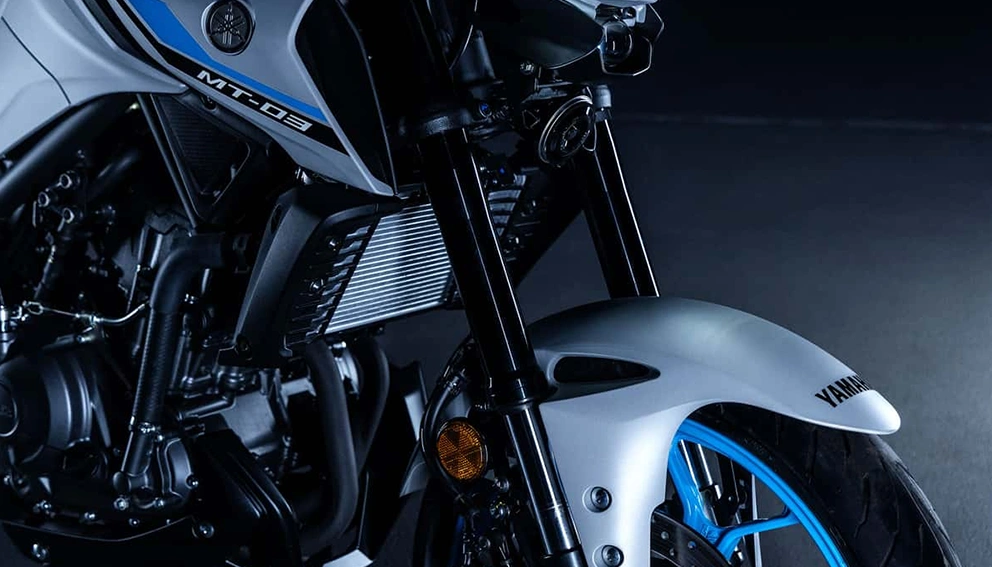
Yamaha MT-03: a light and efficient motorcycle
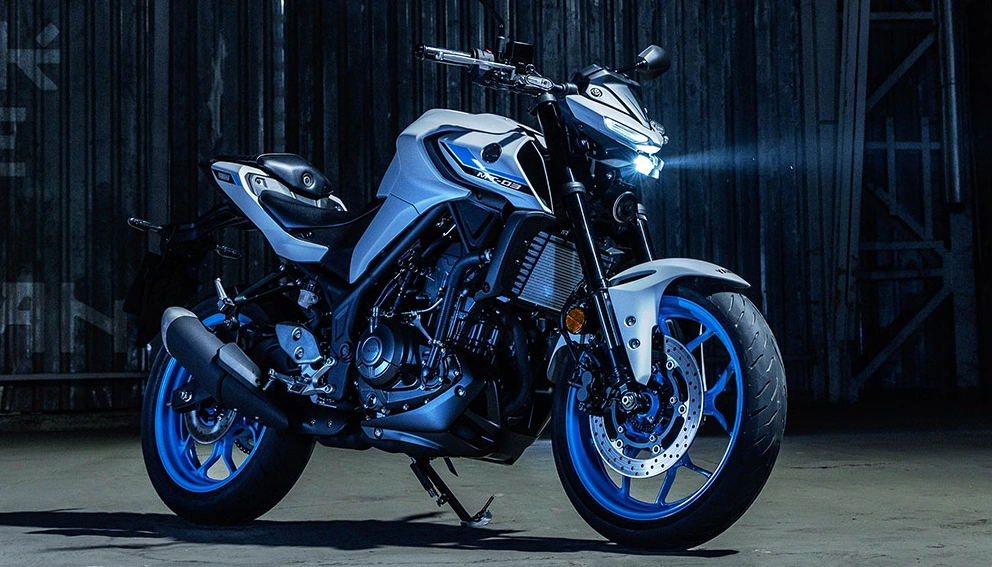
With a 321 cm³ engine and average use of about 4 L/100 km, the Yamaha MT-03 is a versatile pick for the city, daily commutes, and rides on the outskirts. It strikes a good balance between riding enjoyment, low weight, and reasonable running costs.
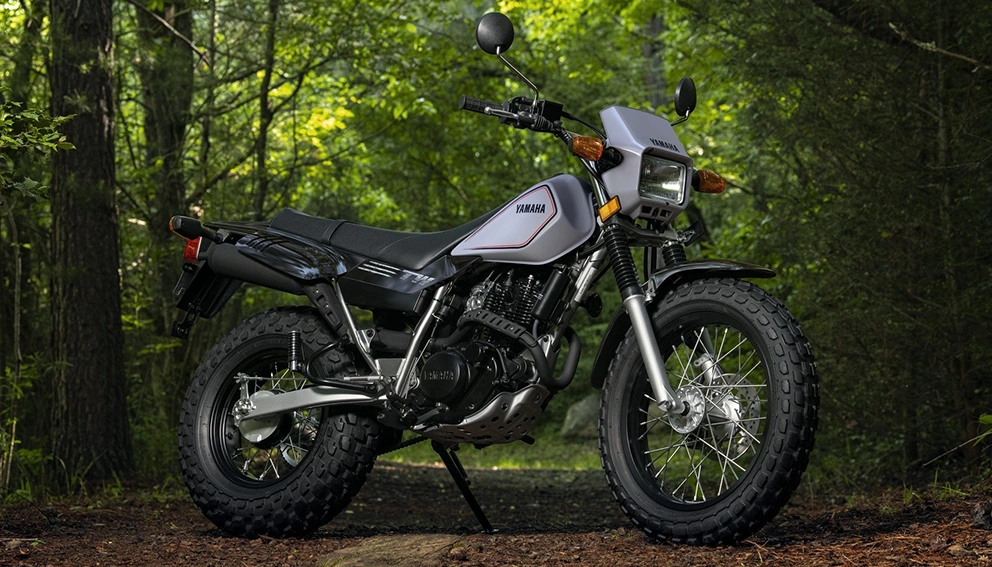
Yamaha TW200: simple and proven dual-purpose
The Yamaha TW200 is known for its simplicity and low fuel use, around 3 L/100 km. The air-cooled 196 cm³ single-cylinder stays light, frugal, and easy to service. It is a good pick for those who want a fun city motorcycle that can also venture onto dirt roads.
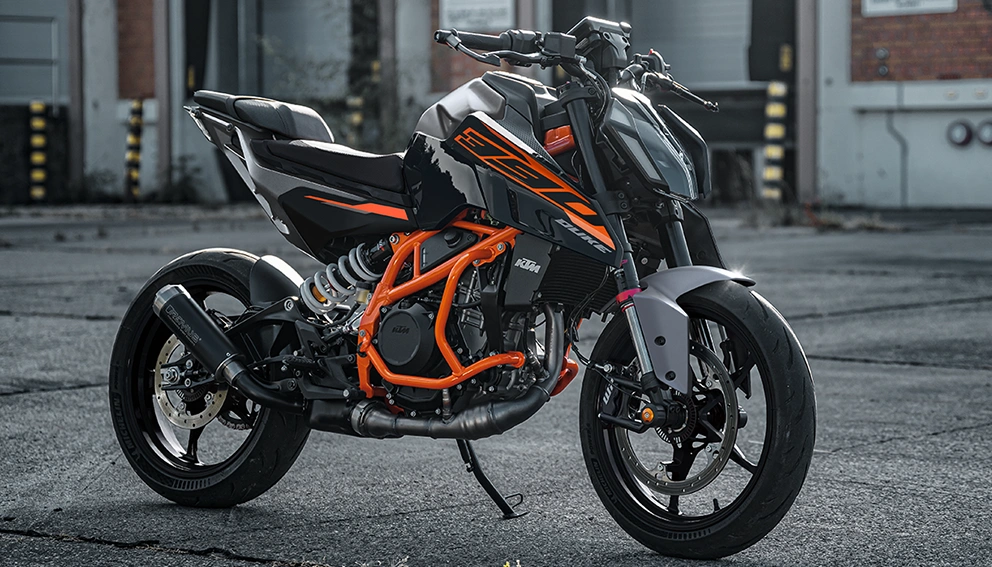
KTM 390 Duke: sporty yet still reasonable
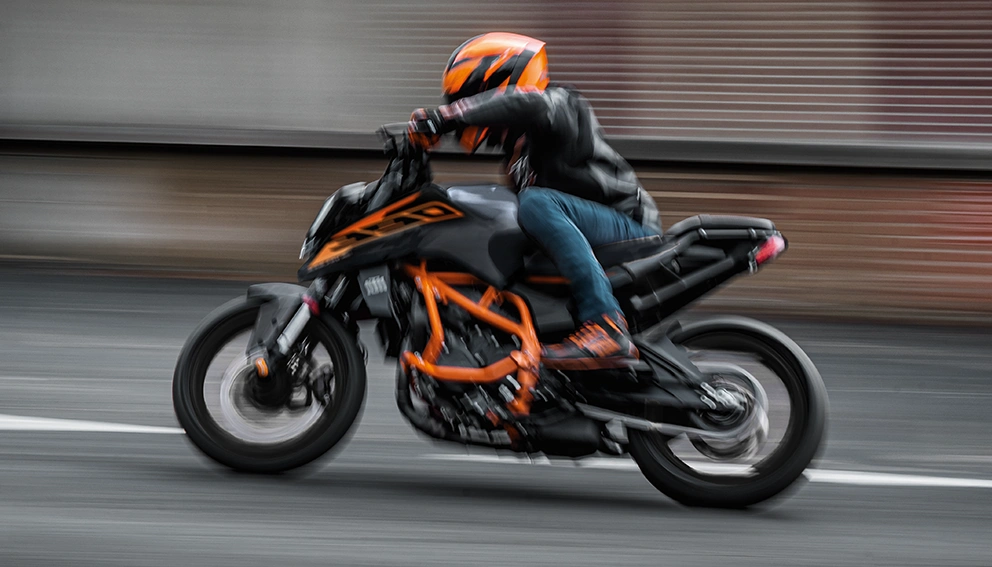
The KTM 390 Duke shows that a lively motorcycle can also remain efficient. With a 399 cm³ engine and an average of about 3.5 L/100 km, it suits riders who want a dynamic roadster without blowing their fuel budget. For a daily round trip of roughly 40 km, you can ride all week for only a few dollars in gas.
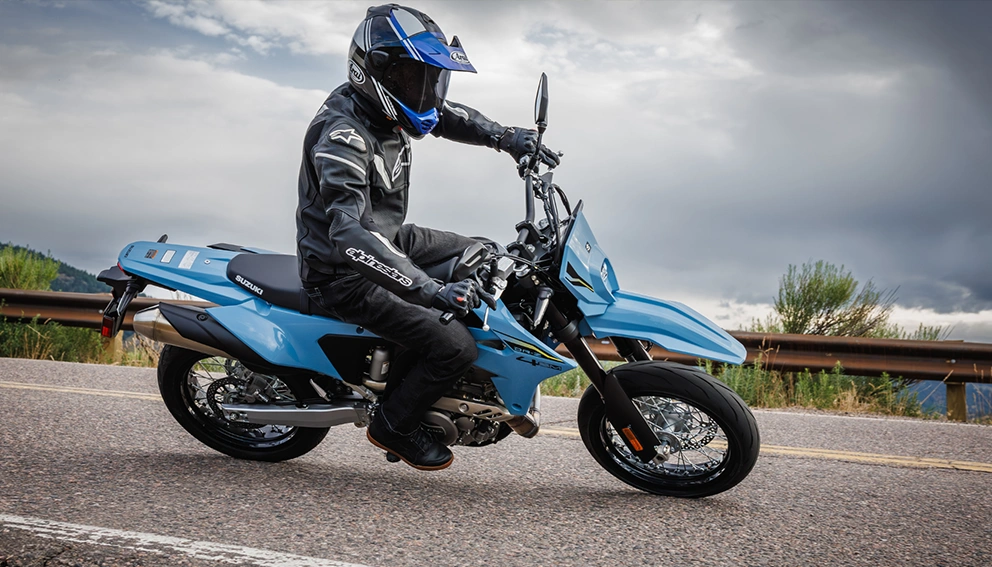
Suzuki DR-Z4SM: agile and dual-purpose
The Suzuki DR-Z4SM relies on a proven formula: a 398 cm³ single-cylinder, contained weight, and agile handling. Average consumption is around 3.5 L/100 km, which makes it an appealing motorcycle for the city, backroads, and riders who like a more upright, responsive position.
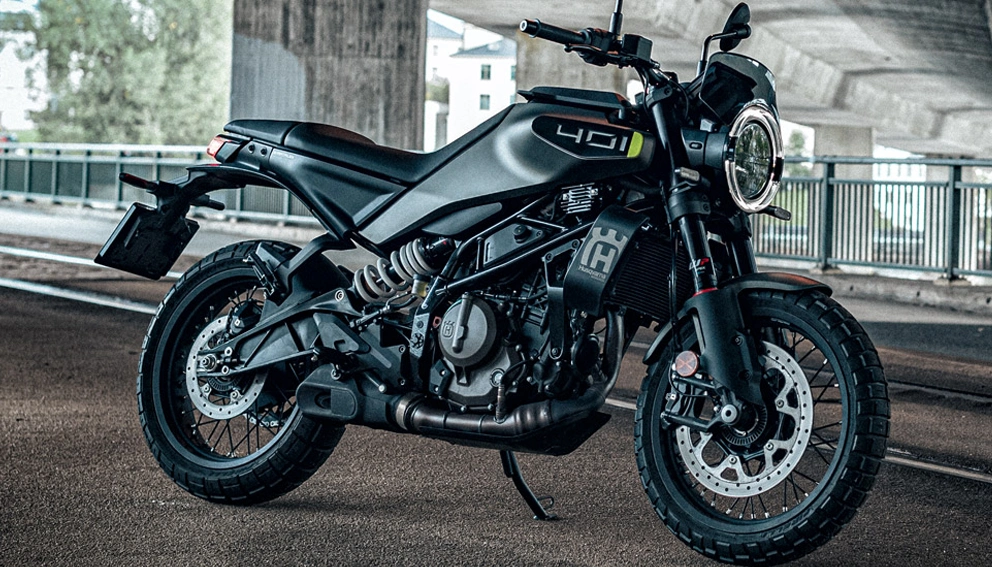
Husqvarna Svartpilen 401: urban and light
The Husqvarna Svartpilen 401 combines neo-retro style, modern engineering, and reasonable fuel use of about 3.5 L/100 km. The 399 cm³ single-cylinder and contained weight help keep consumption down, especially in urban or suburban settings. It stands out for both its look and its efficiency.
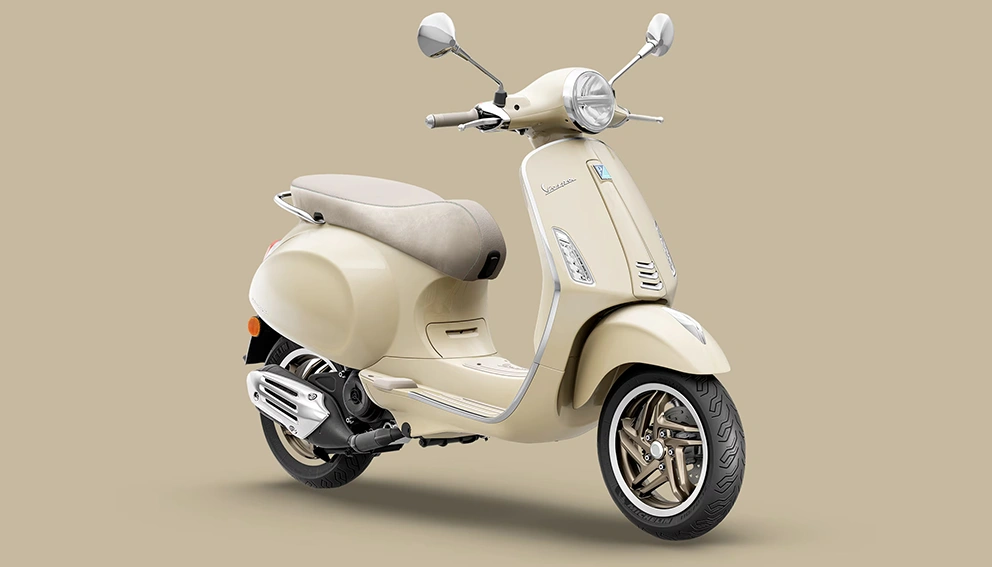
Vespa Primavera 50: compact and low energy use
With a 50 cm³ engine and average use of about 3 L/100 km, the Vespa Primavera 50 is mainly designed for urban trips. It does not offer the performance of a road motorcycle, yet it remains very economical for short distances, daily commutes, and for riders who want to keep fuel costs down.
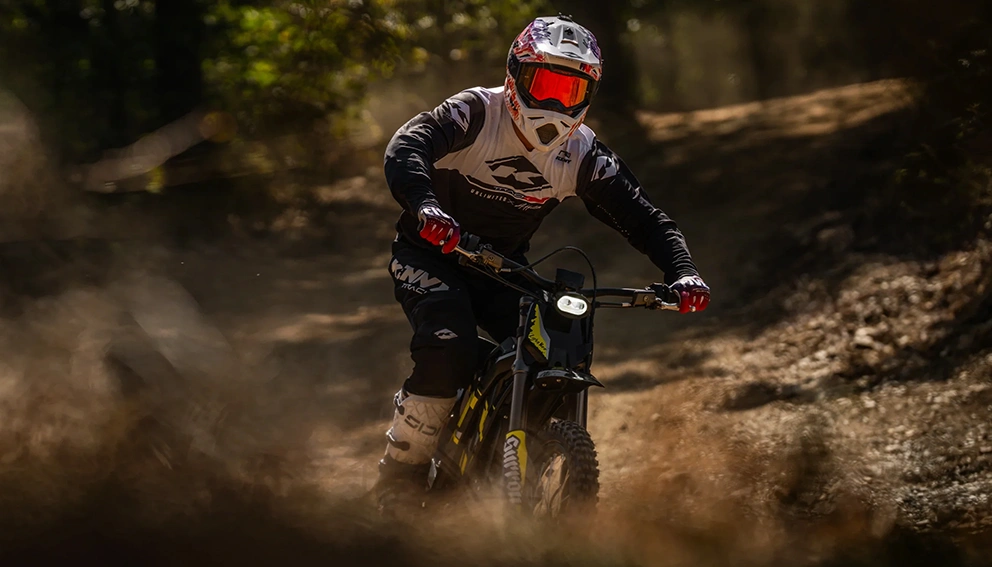
Surron Light Bee X: electric with no gas
The Surron Light Bee X stands apart in this list since it is fully electric. It does not use gas and simply recharges at home. For short trips, leisure, or off-road use, it helps cut operating costs significantly while eliminating stops at the pump.
Comparison table for these 7 motorcycles
The figures below are indicative estimates.
| Model | Displacement | Approx. consumption | For whom? |
|---|---|---|---|
| Yamaha MT-03 | 321 cm³ | ~4 L/100 km | Versatile. City and outskirts |
| Yamaha TW200 | 196 cm³ | ~3 L/100 km | Light, fun, dual-sport |
| KTM 390 Duke | 399 cm³ | ~3.5 L/100 km | A lively and efficient roadster |
| Husqvarna Svartpilen 401 | 399 cm³ | ~3.5 L/100 km | Neo-retro style. Urban use |
| Suzuki DR-Z4SM | 398 cm³ | ~3.5 L/100 km | Agile supermoto in the city |
| Vespa Primavera 50 | 50 cm³ | ~3 L/100 km | Urban scooter with low running costs |
| Surron Light Bee X | Electric | $0 in gas | All-electric. Minimal cost |
To give an idea: with the KTM 390 Duke at about 3.5 L/100 km, a 40 km daily round trip costs only a few dollars in gas per week. The Surron Light Bee X eliminates the pump altogether; you charge it like a phone. That kind of difference shows up in an annual budget.
The fuel efficiency of these bikes is no accident. The Yamaha TW200 and its air-cooled 196 cm³ single-cylinder remain light and frugal, suitable for the city and dirt roads. The Husqvarna Svartpilen 401 and the Suzuki DR-Z4SM share a winning recipe: a single cylinder of about 399 cm³, little weight, and modern injection that meters every drop.
Fewer cylinders and less mass mean less fuel burned with each acceleration.
To put the numbers in perspective, a large touring motorcycle often requires more than 6 L/100 km, while most models on this list sit below 4 L/100 km. Over a 6,000 km season, the gap easily represents more than 120 litres of gas saved, which is several tanks. That is budget you can keep for more riding.
Which motorcycle to choose based on your type of use?
The right choice depends mainly on your primary use:
- For daily city commutes, a light motorcycle like the Yamaha MT-03, the Husqvarna Svartpilen 401, or even a scooter such as the Vespa Primavera 50 helps keep consumption down while staying easy to handle.
- For mixed use between highway, city, and lighter trails, the Yamaha TW200 or the Suzuki DR-Z4SM are better suited thanks to their versatile format.
- If you want a lively motorcycle that still remains efficient, the KTM 390 Duke offers a balanced compromise between performance and low fuel use.
- To avoid gas entirely, an electric model like the Surron Light Bee X becomes an interesting option for short trips and leisure.
How to reduce your motorcycle's consumption?
Using less fuel is not only about choosing an efficient motorcycle. How you ride matters a lot. Smooth riding with progressive accelerations and while avoiding harsh braking can make a real difference in your consumption.
It is also important to keep a steady speed, avoid carrying unnecessary weight, and regularly check tire pressure. Under-inflated tires increase rolling resistance and make the engine work harder, which directly raises fuel use.
The importance of maintenance to keep a fuel-efficient motorcycle
A well-maintained motorcycle generally uses less fuel than a neglected one. Tire pressure, chain lubrication, brake condition, the air filter, and fluid levels can all influence engine efficiency.
Regular service helps maintain smoother operation, avoid performance loss, and extend your motorcycle's lifespan. Before concluding that a model uses too much, it is always worth checking if an adjustment or service is needed.
Find a fuel-efficient motorcycle at SM Sport
At SM Sport, you can compare several new and used motorcycles according to your budget, riding style, and daily needs. Whether you are looking for a light city motorcycle, a dual-purpose model to mix it up, or an electric option to eliminate gas, our team can help you find a bike suited to your use.
Browse our new or used motorcycle inventory to see what is available and choose a more fuel-efficient motorcycle for your next rides.
FAQ
Why can a motorcycle use as much fuel as a car?
A motorcycle can sometimes use as much as a small car when the engine is powerful, riding is sporty, or speed is high. Big touring motorcycles, very high-performance models, or bikes loaded with a passenger and luggage can easily exceed 6 L/100 km.
Why is my motorcycle using too much gas?
High consumption can come from overly aggressive riding, under-inflated tires, a clogged air filter, a poorly lubricated chain, or overdue maintenance. Trip type also matters: fast highway runs, stop-and-go city riding, hills, and riding with a passenger can all raise consumption.
Why is my motorcycle using less than expected?
Your motorcycle can use less than expected if you ride smoothly at a steady speed, carry little weight, and keep tires properly inflated. Light motorcycles, small displacements, and modern single-cylinder engines are often very efficient when used in favourable conditions.
What is the average fuel consumption of a motorcycle?
Average motorcycle consumption varies widely by model. A small displacement can sit around 3 to 4 L/100 km, while a large touring or more powerful motorcycle can exceed 6 L/100 km. Riding style and maintenance can also change these figures.
Does a motorcycle use less fuel than a car?
In most cases, a light or small-displacement motorcycle uses less fuel than a car. However, some large motorcycles can approach the consumption of a small car, especially on the highway or with sporty riding.
Which type of motorcycle uses the least fuel?
The most frugal motorcycles are generally small displacements, light models, urban scooters, and electric motorcycles. Single-cylinder bikes from 200 to 400 cm³ often offer an excellent balance of low consumption, reduced operating costs, and enjoyable riding.
Need help moving to a more efficient motorcycle? Check out our special offers, explore financing, or book your motorcycle service or maintenance with our team.